Our Projects
Farm To Firm
Farm to Firm: Turning Smallholder Farmers Into Rural Entrepreneurs
Our Impact So Far
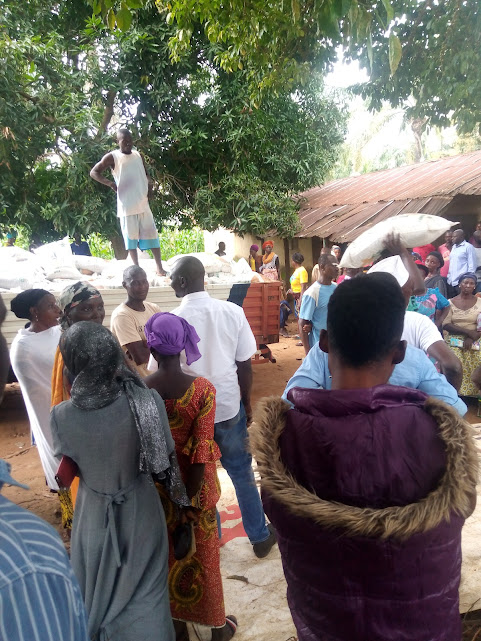
500+ farmers empowered, trained, and supported across inputs, logistics, finance, and market access.
Significant increases in farmer productivity, income, and household stability.
Strengthened rural communities through job creation, food production, and reduced poverty levels.
Contributions to global food security through sustainable, scalable production systems.
Why This Matters
Farm to Firm represents a replicable, scalable model that transforms rural farmers into value-creating entrepreneurs, boosts local economies, and strengthens climate resilience. Each farmer trained becomes a potential employer, a community asset, and a contributor to Africa’s agricultural future.
Soil Restoration
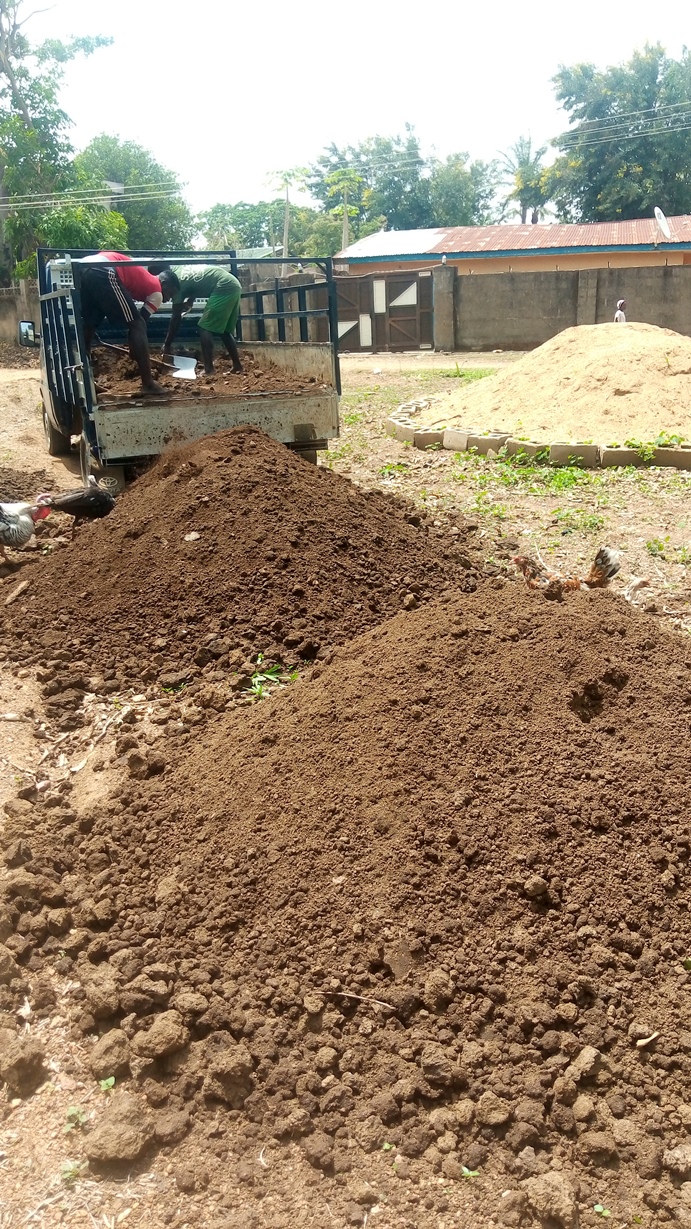
Since 2019, Zikab Agro Industries Ltd has been restoring degraded farmlands through a practical, community-driven soil regeneration model built on waste-to-wealth, collaboration, and ecological balance.
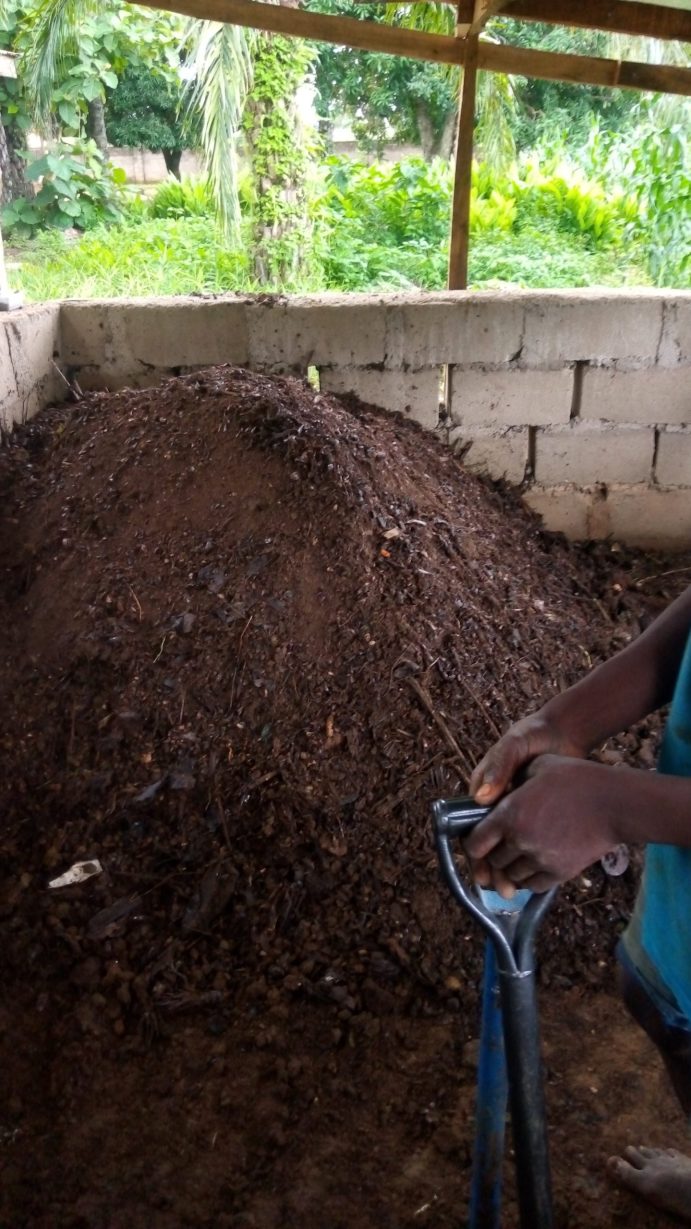
Every three months, we produce up to 12 tons of nutrient-rich compost from agricultural waste generated across our operations. Our composting system integrates:
Crop residues from our farming activities
Organic waste from our oil palm plantation
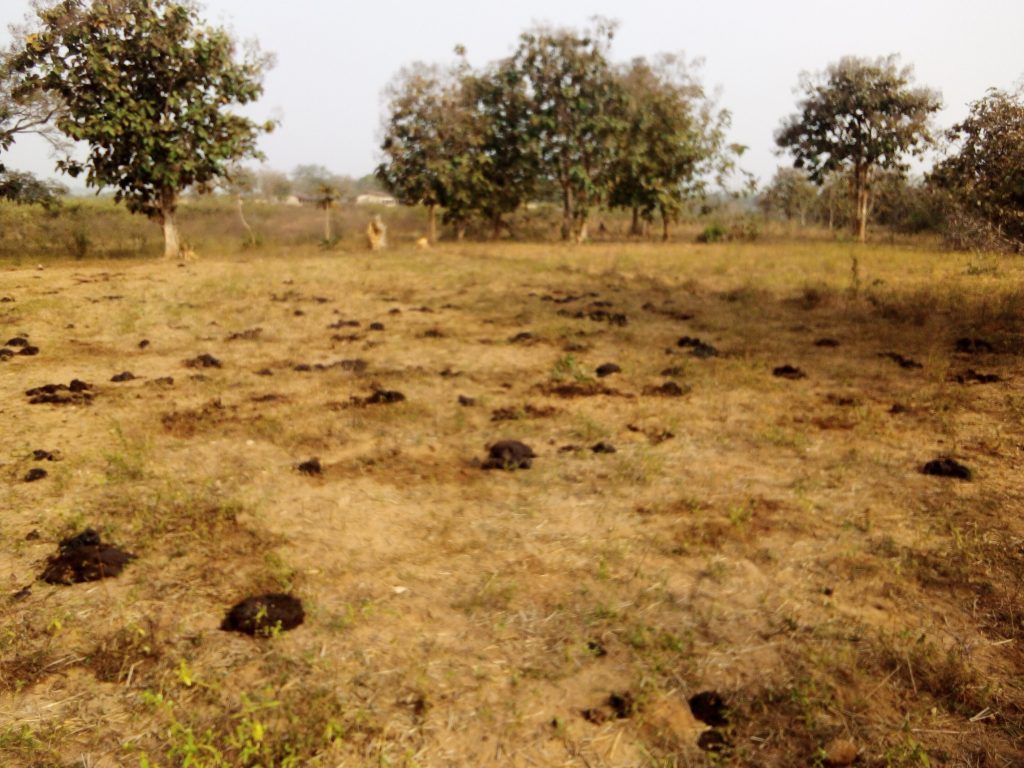
Animal manure collected through structured collaboration with local cattle rearers
This closed-loop system transforms what would otherwise be waste into a powerful soil-building input that improves soil structure, restores microbial life, and increases long-term farm productivity.
Turning Conflict into Collaboration
Operating in Nigeria’s Middle Belt—an area historically affected by farmer–herder conflict—we have intentionally designed a peace-through-production model. Rather than competing for land and resources, we collaborate with cattle rearers who graze on designated farm areas and agricultural residues. In return, animal dung is collected and incorporated into our composting process.
This approach has created:
Mutual economic value for farmers and herders
Reduced land-use tension at the community level
A scalable model of coexistence rooted in shared benefit
Measurable Impact
12 tons of compost produced every 3 months
At least 5 hectares of farmland restored annually
Continuous soil rehabilitation across multiple seasons since 2019
Improved soil fertility and resilience using locally sourced inputs
Scaling Through Knowledge Transfer
Beyond restoring our own farms, this model is being refined, documented, and taught to smallholder farmers within our operating communities. Our goal is to equip farmers with affordable, climate-smart soil restoration techniques that reduce dependence on external inputs while improving yields and ecosystem health.
Why This Matters
Healthy soil is the foundation of food security, climate resilience, and rural livelihoods. By combining regenerative agriculture with social collaboration, our soil restoration program demonstrates how environmental sustainability and community peacebuilding can work hand in hand.
This is not a pilot—we are building a replicable model for smallholder-led soil regeneration across Nigeria and similar agro-ecological zones in Africa.
Oil Palm Expansion
Oil Palm Expansion: Turning Neglect into Opportunity
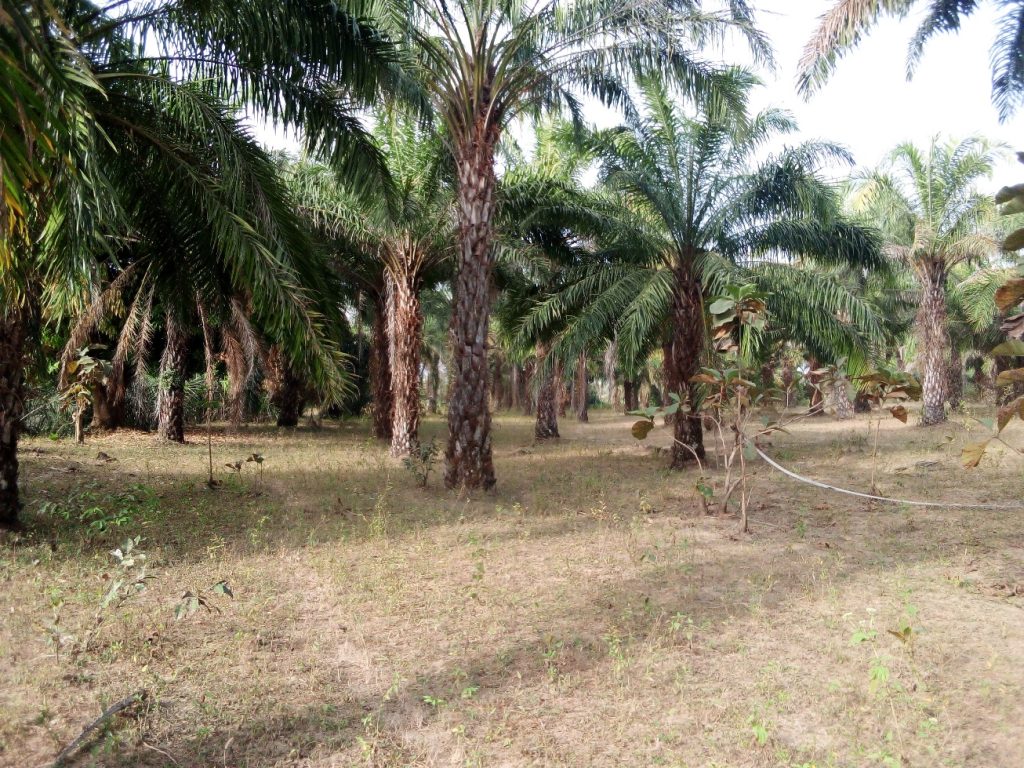
In 2022, Zikab Agro Industries Ltd took over a severely mismanaged 3-hectare oil palm orchard that had been neglected for nearly 20 years. What we inherited was not just poor yields, but an underperforming asset with unrealized potential. Through disciplined farm rehabilitation, improved agronomic practices, and data-driven management, we have successfully reversed this decline.
Since taking over the plantation, the orchard has recorded consistent year-on-year increases in income, demonstrating our capacity to unlock value from distressed agricultural assets. This transformation validated both our operational expertise and our long-term conviction in oil palm as a strategic crop for Northern Nigeria.
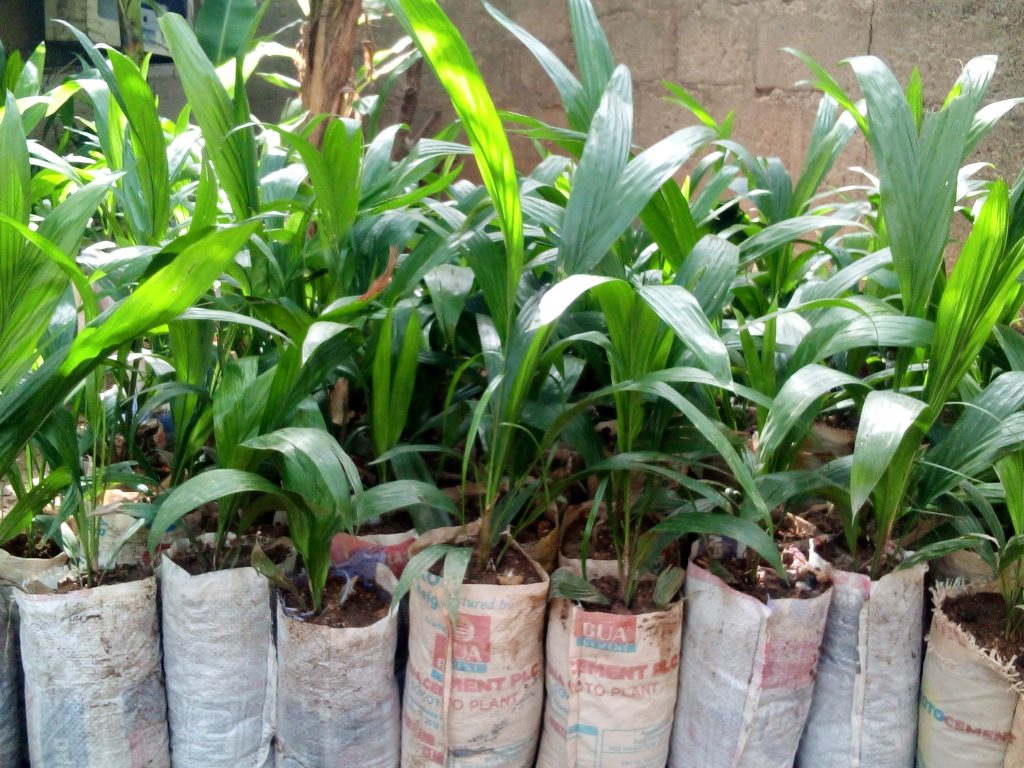
Building on the lessons from this turnaround, we launched an oil palm nursery in 2024 to support our expansion strategy. Using conventional nursery best practices alongside our proprietary microbiome technology, we are producing stronger, healthier oil palm seedlings. Our approach enhances seedling shock resistance during transplanting, improves micronutrient availability beyond what standard nursery systems provide, and introduces beneficial microbes that increase nutrient uptake and disease resistance from the earliest growth stages.
This nursery is more than a support unit—it is a scalability engine. It allows us to reduce future planting costs, improve survival rates, and ensure quality control across our expansion pipeline.
Our long-term vision is bold and deliberate: to build one of the largest and most resilient oil palm plantations in Northern Nigeria, leveraging innovation, local adaptation, and sustainable practices. We see oil palm not just as a crop, but as a platform for value creation—spanning fresh fruit bunch production, processing, employment generation, and regional economic growth.
For investors, this represents an opportunity to participate in a proven turnaround story evolving into a scalable, technology-enabled agricultural enterprise with strong long-term fundamentals.